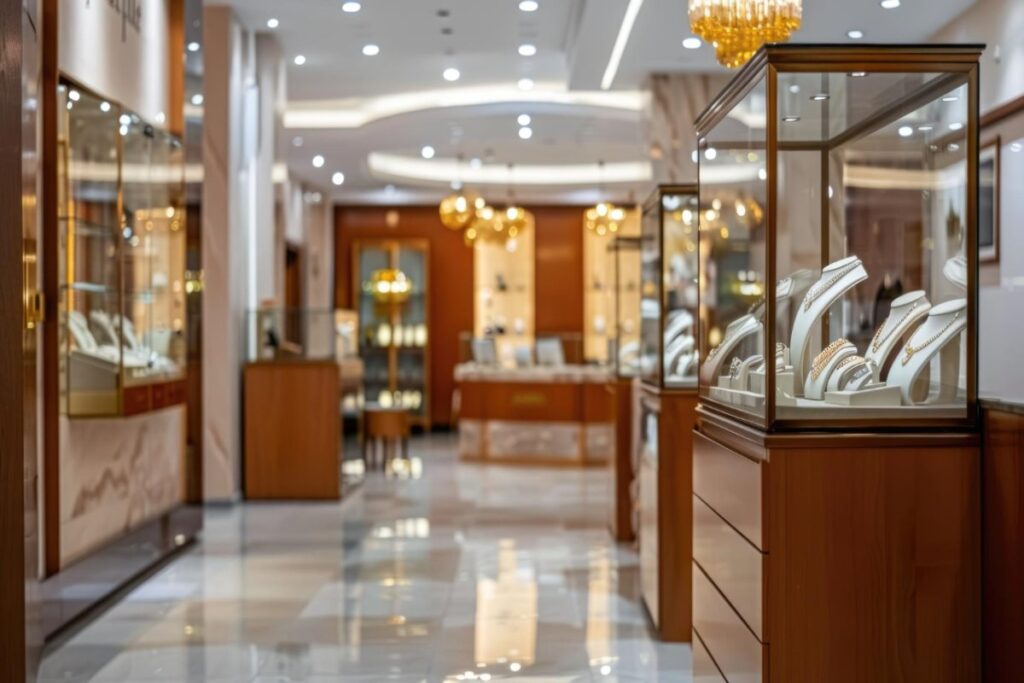

For your first Turkish bath visit, stepping into the steam and marble invites a cultural immersion that blends cleansing with quiet reflection, inviting you to pace yourself and observe the space with mindful curiosity. Understanding Turkish bath etiquette helps you move through the different rooms with confidence and respect, from greeting attendants to following the flow of rituals and signals given by staff. A well-planned hammam packing list keeps you comfortable, organized, and ready for the ritual, ensuring you have towels, footwear, and basic toiletries within easy reach. If you’re unsure about attire, check the facility’s guidelines in advance and follow staff directions, remembering that modesty, comfort, and safety balance your choices across steam, heat, and massage. With respectful preparation and a calm mindset, you’ll likely finish feeling refreshed, centered, and curious to return to this timeless social and wellness tradition.
Beyond the surface steps, this traditional steam-and-soap routine is a Turkish spa heritage that blends cleansing, exfoliation, and restorative warmth. In broader terms, the experience can be described as a hamam ritual, a social cleansing rite, or a steam-house tradition that invites mindful movement through rooms, foam, and massage. From a wellness perspective, the spa culture emphasizes hygiene, calm pacing, and respectful interaction with attendants, aligning with modern spa etiquette and local customs. For practical guidance on attire and packing, look to Turkish bath preparation tips and what to wear in a Turkish bath.
First Turkish Bath Visit: What to Expect and How to Prepare for your first Turkish bath visit
Starting your first Turkish bath visit is stepping into a curated sequence designed to cleanse the body and calm the mind. Expect a progression through differently heated rooms, from a warm steam chamber to a brighter wash area, with a kese exfoliation and foam massage performed by trained attendants. Throughout these steps, Turkish bath etiquette emphasizes quiet conversation, personal space, and respect for staff, helping you feel comfortable in a traditional setting.
Before you arrive, review your hammam preparation tips and assemble your hammam packing list to stay comfortable. Pack a peshtemal or thick towel, a spare change of clothes, slip-on sandals, unscented soap, and a small shampoo. If you’re unsure about what to wear in a Turkish bath or whether nudity is allowed, ask the staff in advance and follow their guidance to align with facility rules.
Turkish Bath Etiquette: Respectful Practices for a Relaxing Hammam Experience
Respectful behavior sits at the core of any hammam experience. Following Turkish bath etiquette means greeting attendants politely, listening to instructions, keeping voice low, and moving carefully on wet floors. It also means respecting privacy in gender-specific areas and allowing therapists to perform treatments without interruption.
Even if you’re new to hammams, these basic practices help everyone enjoy the ritual. Tipping is typically discretionary; showing appreciation with a brief thank you after a session supports a positive dynamic. These hammam tips for beginners can help you feel confident as you navigate the spaces.
Hammam Packing List: Essentials for Comfort and Convenience
Your hammam packing list should cover the basics that support comfort in humid spaces: a peshtemal or towel, an extra change of clothes, waterproof bag, sandals, and toiletries suited to steam. Hydration between rooms is essential, so carry a reusable water bottle and consider a minimal skincare routine that won’t irritate sensitive skin.
Optional add-ons like a kese glove, a light robe, hair ties, and a small massage oil can enhance your experience if permitted by the spa. By planning ahead with the hammam packing list, you reduce stress and keep the focus on cleansing, relaxation, and social connection.
What to Wear in a Turkish Bath: Clothing, Modesty, and Comfort
Attire in a Turkish bath depends on local custom and facility rules, but the guiding principle is comfort and modesty. Many guests wrap in a peshtemal or towel inside the steam room, while some facilities permit modest swimsuits in mixed spaces. Quick-drying fabrics prevent overheating and help you move smoothly between rooms.
Hair management and footwear matter too: tie back long hair, use a cap or towel to keep it contained, and wear sandals or waterproof flip-flops. Knowing what to wear in a Turkish bath and respecting the spa’s dress code helps you stay relaxed and respectful throughout the experience.
Hammam Tips for Beginners: Simple Tricks to Maximize Comfort and Safety
Starting with calm pacing, steady hydration, and mindful breathing makes the steam feel more approachable. These hammam tips for beginners guide you through the layers of heat, the kese exfoliation, and the foam massage with less stress and more enjoyment.
Pair these practices with Turkish bath preparation tips: check in with staff about the order of services, clarify tipping expectations, and choose a comfortable rest period after the treatment. With thoughtful preparation and attention to personal comfort, you’ll build confidence for future visits and turn a first experience into a lasting habit.
Frequently Asked Questions
What should I know about Turkish bath etiquette for my first Turkish bath visit?
Turkish bath etiquette for your first Turkish bath visit centers on politeness, modesty, and following staff directions. Greet attendants, speak softly, avoid interrupting treatments, and move carefully on wet floors to respect the space and the spa team. When in doubt, ask questions politely and adapt to the facility’s specific practices.
What should I pack on my hammam packing list for a first Turkish bath visit?
Your hammam packing list should cover comfort and hygiene without overpacking: bring a thick towel or peshtemal, a change of clothes, slip-on sandals, unscented body wash, a kese if you plan to scrub yourself, a hair tie, a refillable water bottle, and a small waterproof bag for damp items. Optional extras include a light robe, lip balm, and sunscreen.
What to wear in a Turkish bath during your first Turkish bath visit?
For what to wear in a Turkish bath, dress for modesty and comfort: many guests use a towel or peshtemal wrapped around the body in steam rooms; some facilities permit a modest swimsuit in mixed areas, but always follow the spa’s policy. Tie back long hair, choose quick-drying fabrics, and wear sandals inside; adjust to local norms and staff guidance.
Hammam tips for beginners should I know for my first Turkish bath visit?
Hammam tips for beginners: stay hydrated, pace yourself, start in the warmer rooms, and listen to staff about pressure and comfort. Communicate any medical or skin concerns, avoid aggressive exfoliation if sensitive, and respect privacy. Tipping is optional but appreciated if you’re happy with service.
Turkish bath preparation tips should I follow before your first Turkish bath visit?
Turkish bath preparation tips: check facility policies in advance, confirm whether kese scrubs are included, pre-book any massages, and finalize your packing list. Arrive with clean skin and hair tied back, and plan your visit duration to fit the spa’s schedule while staying hydrated before and after the session.
| Key Point | Summary |
|---|---|
| What to expect on your first Turkish bath visit | A hammam unfolds through a sequence of rooms with varying heat: warm steam rooms, then brighter, drier areas for washing and massage. Exfoliation (kese) and foam massage are common; privacy is respected and policies (e.g., gender sections) vary by facility. |
| Mindset and etiquette | Greet staff politely, follow instructions, and ask questions if unsure. Keep conversations quiet, move carefully on wet floors, and respect therapists during treatments. |
| Packing list | Towels or peshtemal, change of clothes, footwear (sandals), toiletries, kese or exfoliating glove, hair tie, hydration bottle, waterproof bag for valuables, sunscreen, lip balm, and optional robe or light cover. |
| What to wear | Modesty and comfort guide: wrap or swimsuit in many spaces; drape with towel or peshtemal if required. Quick-drying fabrics are preferred; hair tied back; wear appropriate footwear inside. |
| Inside the hammam routine | Typical flow: arrival/orientation, warmth/steam, cleansing, exfoliation (kese), foam massage, rinse, rest, and optional extra treatments. Maintain modesty and communicate if anything feels uncomfortable. |
| Health, safety, accessibility | Stay hydrated, consider medical conditions or skin sensitivities with staff, take breaks if heat is too intense, and request accessible arrangements in advance if needed. |
| Tipping and respectful engagement | Tipping is appreciated but not obligatory. Show appreciation through polite, respectful interaction and follow facility customs. |
| Cultural context | The hammam is a social and cultural tradition as much as a cleansing ritual, offering a calm space to learn local customs while enjoying relaxation and connection with others. |
| Myths vs reality | Common questions: nudity policies vary by facility; tipping is not mandatory; sessions typically last 60–90 minutes depending on the spa. |
Summary
HTML table above summarizes the key points from the base content in English. It covers expectations, etiquette, packing, wear, routine, safety, tipping, culture, and common questions about the hammam experience.